Vaginal dryness affects roughly half of postmenopausal women, yet many suffer in silence because they assume hormones are the only solution. The truth is that effective non-hormonal vaginal dryness treatment options exist, and they can deliver lasting relief without the risks or side effects some patients associate with estrogen therapy. At FemRenew in Toronto, Dr. Fay Weisberg helps patients explore every avenue so they can make an informed choice.
Why Some Women Seek Non-Hormonal Options

Hormone replacement therapy (HRT) is effective for many patients, but it is not appropriate for everyone. Women with a history of hormone-sensitive cancers, blood clots, or liver disease are often advised to avoid systemic estrogen. Others simply prefer a treatment path that does not alter their hormone levels.
The North American Menopause Society recognizes that non-hormonal therapies have become increasingly important as patient preferences and medical histories diversify. Whether your reason is medical necessity or personal preference, you deserve options that work.
Laser Therapy for Vaginal Dryness
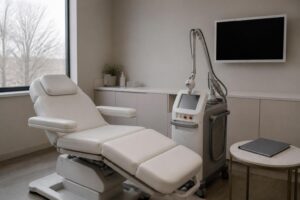
Fractional CO2 laser treatments, such as MonaLisa Touch, stimulate the vaginal mucosa to produce new collagen and restore natural lubrication. The procedure takes about five minutes per session, involves no incisions, and requires no downtime. Most patients complete three initial sessions spaced six weeks apart.
Clinical research shows measurable improvements in the vaginal health index, including increased moisture, elasticity, and tissue thickness. Because the laser works by triggering the body’s own healing response, no hormones are introduced. This makes it an appealing non-hormonal vaginal dryness treatment for patients who cannot use estrogen. Explore our vaginal dryness condition page for more detail on how we approach this issue.
PRP and the O-Shot
Platelet-rich plasma (PRP) therapy involves drawing a small amount of the patient’s blood, concentrating the growth factors, and injecting them into the vaginal tissue. The O-Shot specifically targets areas around the clitoris and the anterior vaginal wall to improve lubrication, sensitivity, and sexual response.
Because PRP uses your own blood components, it is entirely hormone-free. Many patients combine the O-Shot with laser therapy for a synergistic effect — the laser remodels tissue while PRP accelerates healing and regeneration.
Over-the-Counter and At-Home Options
Not every patient needs a clinical procedure. Milder cases of vaginal dryness may respond to:
- Water-based vaginal moisturizers: Products like Replens or hyaluronic acid-based gels applied two to three times per week can maintain tissue hydration between intimate moments.
- Lubricants during intimacy: Water-based or silicone-based lubricants reduce friction and discomfort. Avoid products with glycerin, parabens, or fragrances, which can irritate sensitive tissue.
- Regular sexual activity or stimulation: Blood flow to the vaginal area increases with arousal and regular activity, which helps maintain natural moisture levels.
- Adequate hydration and nutrition: Omega-3 fatty acids (found in salmon, flaxseed, and walnuts) and adequate water intake support mucous membrane health throughout the body, including vaginal tissue.
While these approaches provide symptom management, they do not address the underlying tissue changes caused by estrogen decline. For moderate to severe dryness, clinical treatments typically deliver more reliable and longer-lasting results.
How to Decide Which Treatment Is Right for You


The best approach depends on the severity of your symptoms, your medical history, and your personal goals. During a consultation at FemRenew, Dr. Weisberg will evaluate your vaginal health, review your medical background, and discuss the full range of options — from at-home care to laser and PRP treatments.
Key questions to consider include: How long have your symptoms persisted? Do they interfere with intimacy or daily comfort? Have you tried hormonal options and found them unsuitable? Your answers will help shape a personalized treatment plan.
What to Expect During Your First Treatment Session
If you and Dr. Weisberg decide that laser therapy or PRP is the right path, your first session at FemRenew will begin with a brief consultation to review your medical history and confirm the treatment plan. For laser therapy, the procedure itself takes about five minutes — you will feel mild warmth but no significant pain. For the O-Shot, a topical numbing cream is applied before the injection, and the entire visit takes approximately 30 minutes.
After either treatment, you may experience light spotting or mild sensitivity for one to two days. Most patients return to work and daily activities the same day. Dr. Weisberg will provide specific aftercare instructions and schedule your follow-up sessions to ensure you stay on track toward optimal results.
Why Toronto Patients Choose FemRenew for Non-Hormonal Care
Dr. Fay Weisberg is a board-certified OB-GYN and Fellow of the Royal College of Surgeons of Canada with decades of experience in women’s health. At FemRenew, every treatment plan is built around the individual patient — there is no one-size-fits-all protocol. Whether your vaginal dryness is mild and manageable with at-home strategies, or severe enough to warrant clinical intervention, you will receive honest guidance based on the latest evidence and Dr. Weisberg’s extensive clinical experience.
Frequently Asked Questions
What is the most effective non-hormonal treatment for vaginal dryness?
Fractional CO2 laser therapy (such as MonaLisa Touch) is currently one of the most effective non-hormonal options. It stimulates the body’s natural collagen and moisture production in the vaginal tissue, with results lasting 12 to 18 months per treatment cycle.
Can vaginal dryness be treated without estrogen?
Yes. Laser therapy, PRP injections, vaginal moisturizers, and lifestyle changes can all help manage vaginal dryness without introducing hormones. The right option depends on symptom severity and individual medical history.
How long does it take to see results from non-hormonal vaginal dryness treatments?
Many patients notice improvement within two to four weeks after their first laser session. Full results typically develop after completing the three-session protocol over approximately 12 weeks.
Are non-hormonal vaginal dryness treatments safe?
Yes. Laser and PRP therapies have strong safety profiles with minimal side effects. The most common is mild sensitivity or spotting for a day or two after treatment. Always consult with a qualified specialist to ensure any treatment is appropriate for your specific health situation.
Take the Next Step at FemRenew
You do not have to live with the discomfort of vaginal dryness, and you do not have to use hormones to find relief. Dr. Fay Weisberg and the FemRenew team specialize in non-hormonal vaginal dryness treatment options that restore comfort and confidence. Call (416) 924-4666 or visit our contact page to schedule your consultation at our Toronto clinic.
Medically reviewed by Dr. Fay Weisberg, MD, FRCSC — OB-GYN and Medical Director at FemRenew, Toronto.