Vaginal dryness can affect ordinary comfort as well as intimacy. Moisturizers and lubricants are both available without a prescription, but they serve different purposes. Knowing which job you need them to do helps you choose a product and explain any persistent symptoms to a clinician.
Moisturizers support comfort between activities
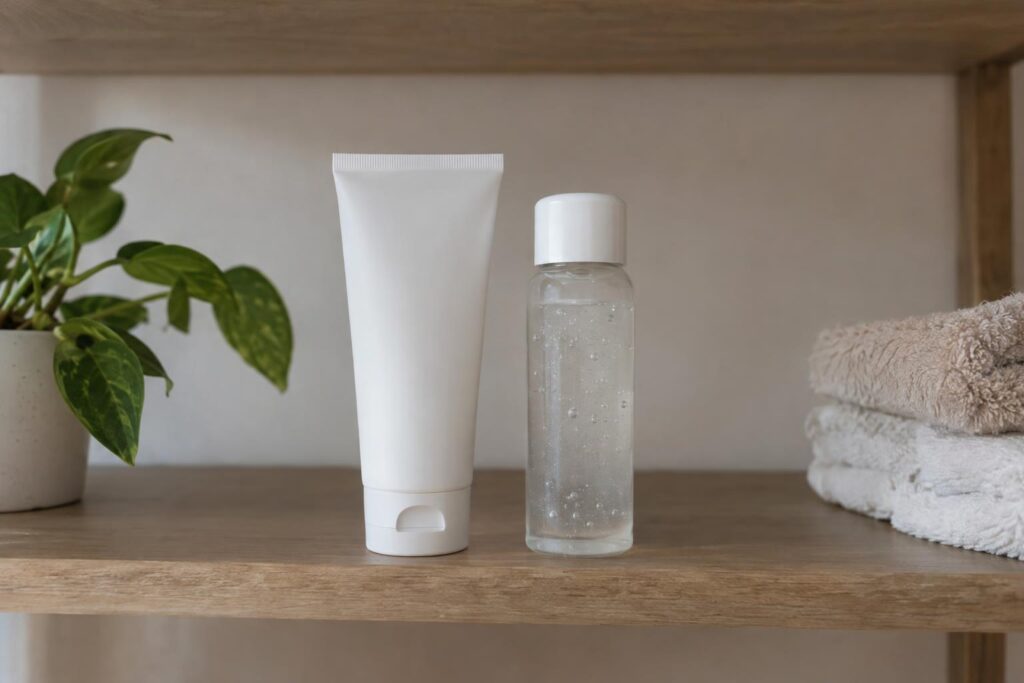
A vaginal moisturizer is generally used on a regular schedule to ease day-to-day dryness. Product directions differ, so read the label for where and how often to apply it. Give yourself time to notice whether it improves comfort, and stop using a product that causes irritation. An unscented option may be easier to tolerate if you are sensitive to fragrance.
Lubricants reduce friction during intimacy
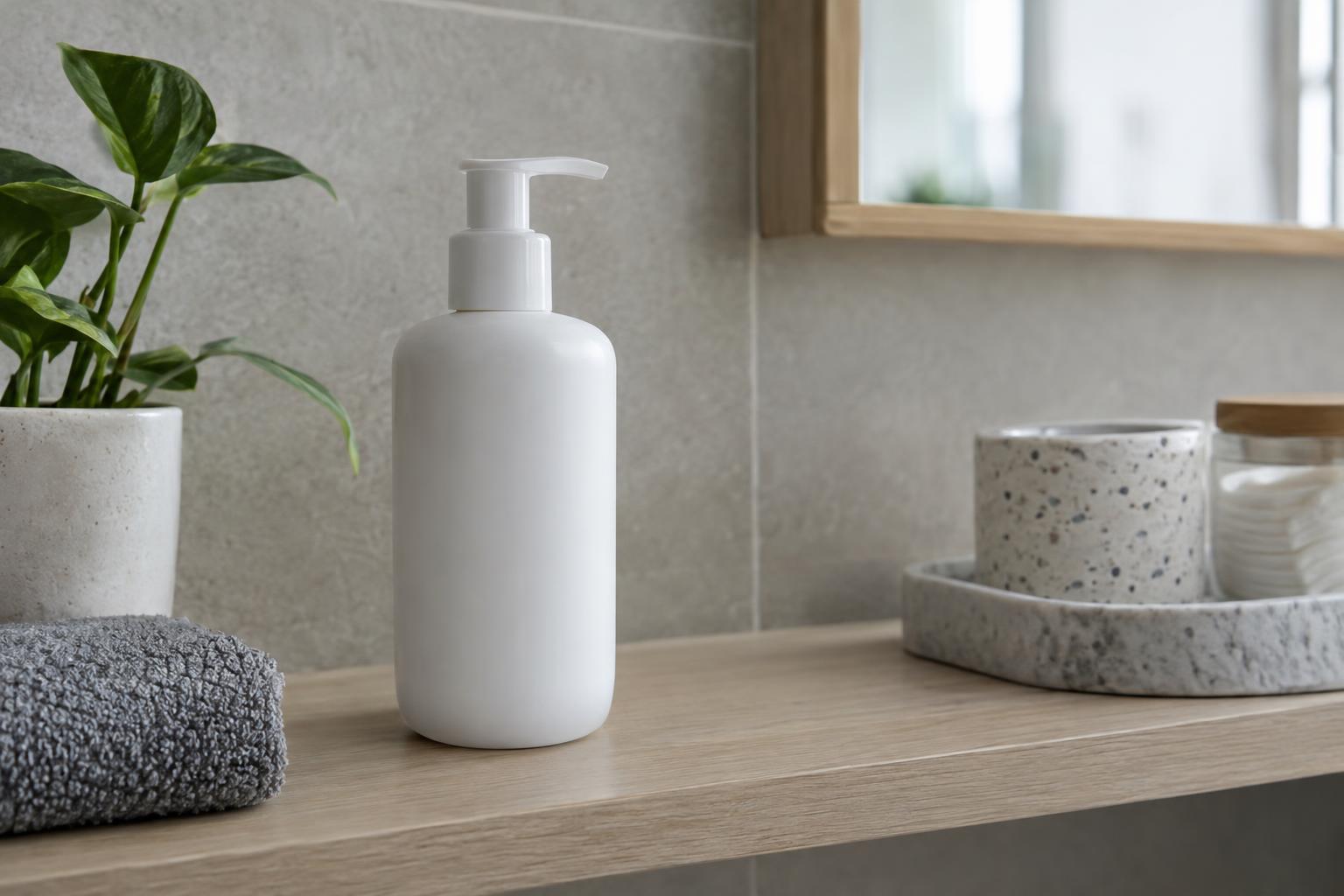
A lubricant is applied when friction is expected. It can make sexual activity more comfortable but does not address every reason for pain or dryness. Check compatibility with any condoms or devices you use; some oil-based products can damage latex. Ingredient lists matter if you have had irritation from a previous product. A product described as natural or gentle is not guaranteed to suit everyone.
When the distinction is not enough
Dryness may have several causes, including hormonal changes, medicines, skin conditions or infection. Pain, bleeding, a new discharge, persistent irritation or symptoms that do not improve deserve an assessment. Do not keep trying new products indefinitely to cover a symptom that is worsening. The NHS offers an overview in its patient guidance.
Prepare for a useful appointment
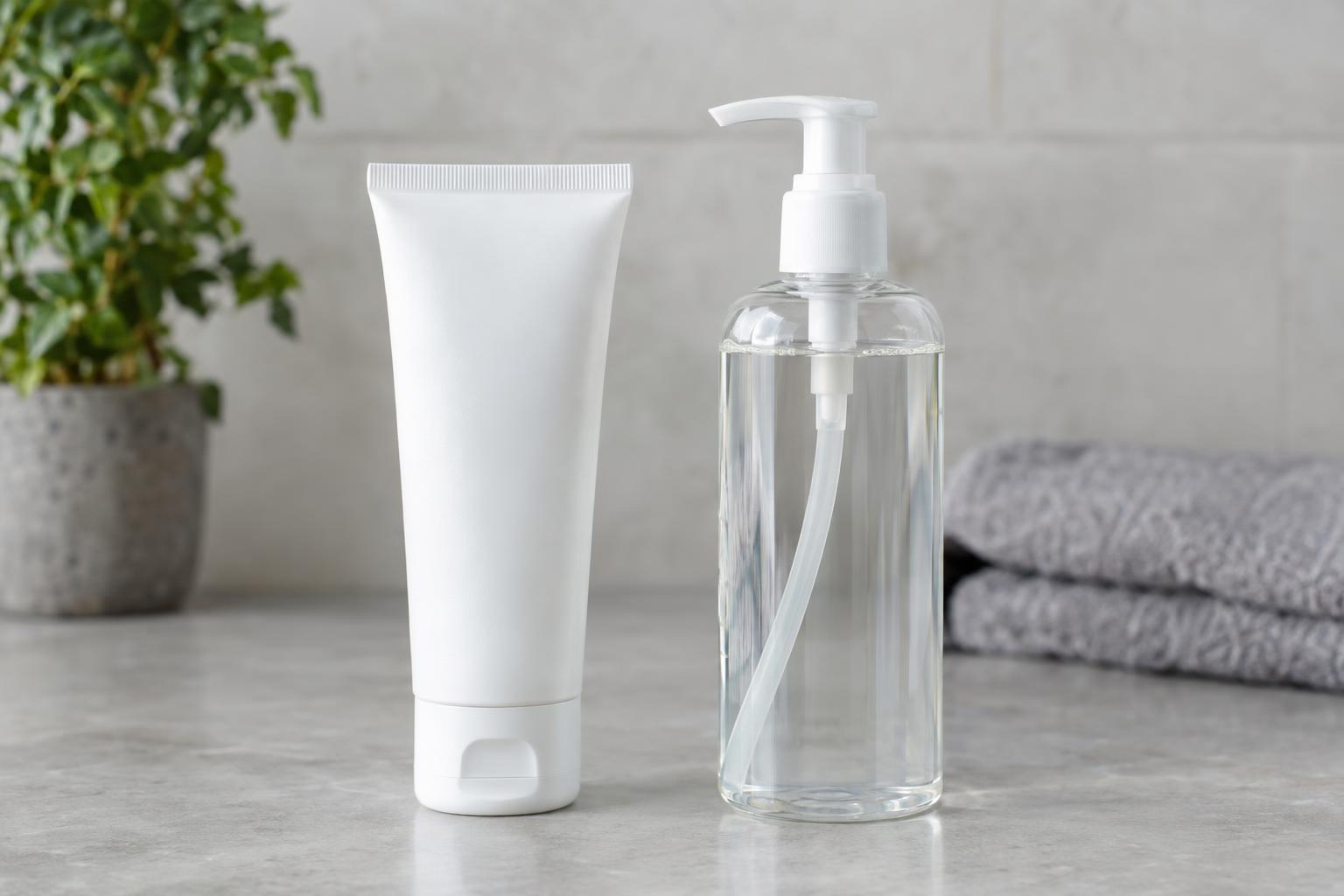
Bring the names or photos of products you tried, the ingredients if available, how often you used them, and what happened. Explain whether discomfort occurs throughout the day, only during intercourse, or with other symptoms. A clinician can help distinguish dryness from other causes of pain and discuss options appropriate to your history and preferences.
Identify the problem you want to solve
Ask whether discomfort occurs during daily activities, only with sexual activity, or in both situations. Day-to-day dryness may prompt a different product choice from friction during intimacy. If the main concern is pain at one particular spot, a burning sensation or a skin change, a product may not address its cause. Keep a simple note of when symptoms occur rather than assuming they all have the same explanation.
Dryness can be affected by menopause, breastfeeding, some medicines and other health conditions. The presence of one possible trigger does not prove the cause. A clinician can consider your medical history and decide whether examination or tests would help. Do not stop a prescribed medicine without advice because you suspect it contributes.
Choose a moisturizer with the label in mind
Products vary in ingredients, texture, applicator and recommended frequency. Read the directions before use, particularly if the package is intended for external skin rather than internal vaginal use. Avoid assuming that a general skin lotion is suitable for the vulva or vagina. If you have sensitivities, check for fragrance and other ingredients that have bothered you before. Start with the product as directed rather than combining several new products at once.
It may take repeated use to judge whether a moisturizer improves everyday comfort. If it causes burning, rash or increased irritation, stop and ask a clinician or pharmacist for advice. Keep the package or a photo of the ingredient list. The name alone may not tell a clinician which formulation you used.
Compare lubricant types for your situation
Water-based and silicone-based lubricants feel different and may require different cleanup. Oil-based products have additional compatibility considerations, especially with latex condoms. Read the product and device or condom labels together. Ask a pharmacist if you are unsure. A product marketed for one purpose should not be assumed safe for every device, condom material or personal sensitivity.
Use enough to reduce friction, and reapply according to the product directions if needed. Persistent pain during sexual activity is not a signal to use more lubricant indefinitely. Stop an activity that hurts and discuss the pattern with a clinician. Pain may need an examination even when dryness is also present.
Distinguish vulvar from vaginal discomfort
The vulva is external skin; the vagina is internal tissue. That distinction helps you describe where a product is being applied and where symptoms occur. External itching or a rash may respond poorly to a product intended for internal dryness, and the reverse is also true. It can be difficult to pinpoint the location without an examination, so a plain description of what you feel is enough.
Changes in discharge, odor, bleeding or sores are reasons to seek medical guidance. Some infections and skin conditions can feel like dryness at first. Over-the-counter products can ease a symptom while leaving the underlying issue untreated. When symptoms recur, bring the product history to the appointment rather than buying another variation at random.
Make a careful product trial
If a clinician or pharmacist agrees that an over-the-counter product is suitable, try one new item at a time. Record when you used it, whether daily comfort changed and whether there was any irritation. This does not require a formal diary; a few notes help you tell apart a product effect from a day with different activities. Do not continue an irritating product just because its label says gentle or hypoallergenic.
Ask how long to try the product before reassessing. Seek advice sooner if symptoms worsen. If a product helps only partly, that is useful information: the clinician may need to investigate another contributing factor or discuss a different approach. The goal is comfortable function, not loyalty to a particular product category.
Prepare questions about broader care
Ask which options are appropriate for your health history and the cause of your symptoms. Some people may benefit from prescription treatment or care for a skin or pelvic-floor condition. The choice depends on assessment and shared decision-making. If you have concerns about hormones, procedures or cost, raise them explicitly so the discussion addresses your priorities.
You can also ask which symptoms should trigger follow-up and how to tell whether the plan is working. A good plan has a point at which you reassess. Keep a list of what you have tried, including the exact product names, so the next conversation begins with evidence from your own experience.
Keep expectations realistic
A moisturizer may improve daily comfort and a lubricant may reduce friction, but neither product can promise to resolve every cause of discomfort. It can be useful to decide in advance what improvement would feel meaningful: less burning during the day, a more comfortable activity, or fewer interruptions. Tell the clinician if a product helps one symptom but leaves another unchanged. That distinction can point to a different issue that needs attention.
If you are comparing labels, look beyond the front-of-package claims. Note where the product is intended to be used, its ingredients, compatibility statements and expiration date. If the directions are unclear, ask a pharmacist before using it. Store products as directed and avoid sharing applicators. This care is especially useful when a product is used on sensitive tissue.
People sometimes feel embarrassed raising dryness or pain. A concise description is enough: where it hurts, how long it has happened, what you tried and whether the symptom is changing. A clinician can take it from there. You do not need to arrive with a diagnosis or defend why a product did not work.
Frequently Asked Questions
How is a vaginal moisturizer different from a lubricant?
A moisturizer is generally used on a regular schedule for day-to-day dryness. A lubricant is used when friction is expected, such as during sexual activity.
What should I check before trying a product?
Read where and how often the product is intended to be used, review its ingredients and compatibility information, and ask a pharmacist if the directions are unclear.
When should I discuss dryness or pain with a clinician?
Seek an assessment for persistent irritation, pain, bleeding, new discharge or symptoms that worsen or do not improve. A product may not address every cause.
FemRenew describes its approach to vaginal dryness and painful intercourse. For a personal discussion, contact the clinic.