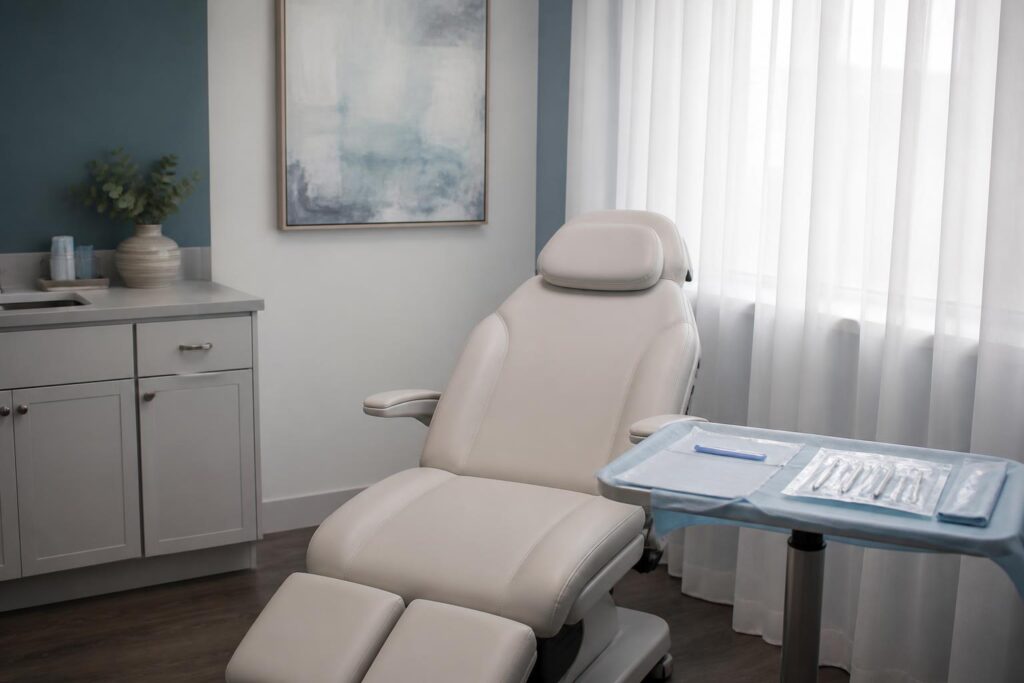
Vestibulitis is an older term often used for localized vulvar pain at the vaginal opening. Current clinicians may also use terms such as localized provoked vulvodynia. Burning, stinging or pain with touch can be distressing, but symptoms alone cannot establish the cause. A careful evaluation matters because infection, dermatologic conditions, pelvic-floor muscle pain and nerve-related pain can overlap.
At FemRenew, a consultation can begin with a detailed history and appropriate examination. This article is educational, not a diagnosis or a promise that a particular procedure will improve symptoms.
Symptoms that deserve assessment
Pain may occur with pressure from clothing, tampon use, sitting, intercourse or an examination. Some people have symptoms only with contact, while others have pain at other times. Note where symptoms occur, what triggers them, how long they have been present, and whether there is itching, discharge, bleeding, urinary symptoms or visible skin change. New severe pain, fever, a new lesion or bleeding should be assessed promptly.
How clinicians evaluate vulvar pain
An evaluation can include medical history, review of products and medications, an examination, and tests when infection or another condition is possible. This process helps avoid treating a symptom label while missing a different cause. A clinician may also assess pelvic-floor muscle tenderness and discuss whether referral to a pelvic-floor physiotherapist, dermatologist, pain specialist or other clinician is appropriate.
Established approaches may be part of care
Care is individualized. Depending on the diagnosis, options can include avoiding irritants, gentle skin care, pelvic-floor physical therapy, counselling or sexual-pain support, topical medications, oral pain-modulating medicines, and treatment of an identified infection or skin condition. No single option is right for every person. Ask which approaches have the strongest evidence for your diagnosis and what outcome is realistic to monitor.
Where PRP fits in the conversation
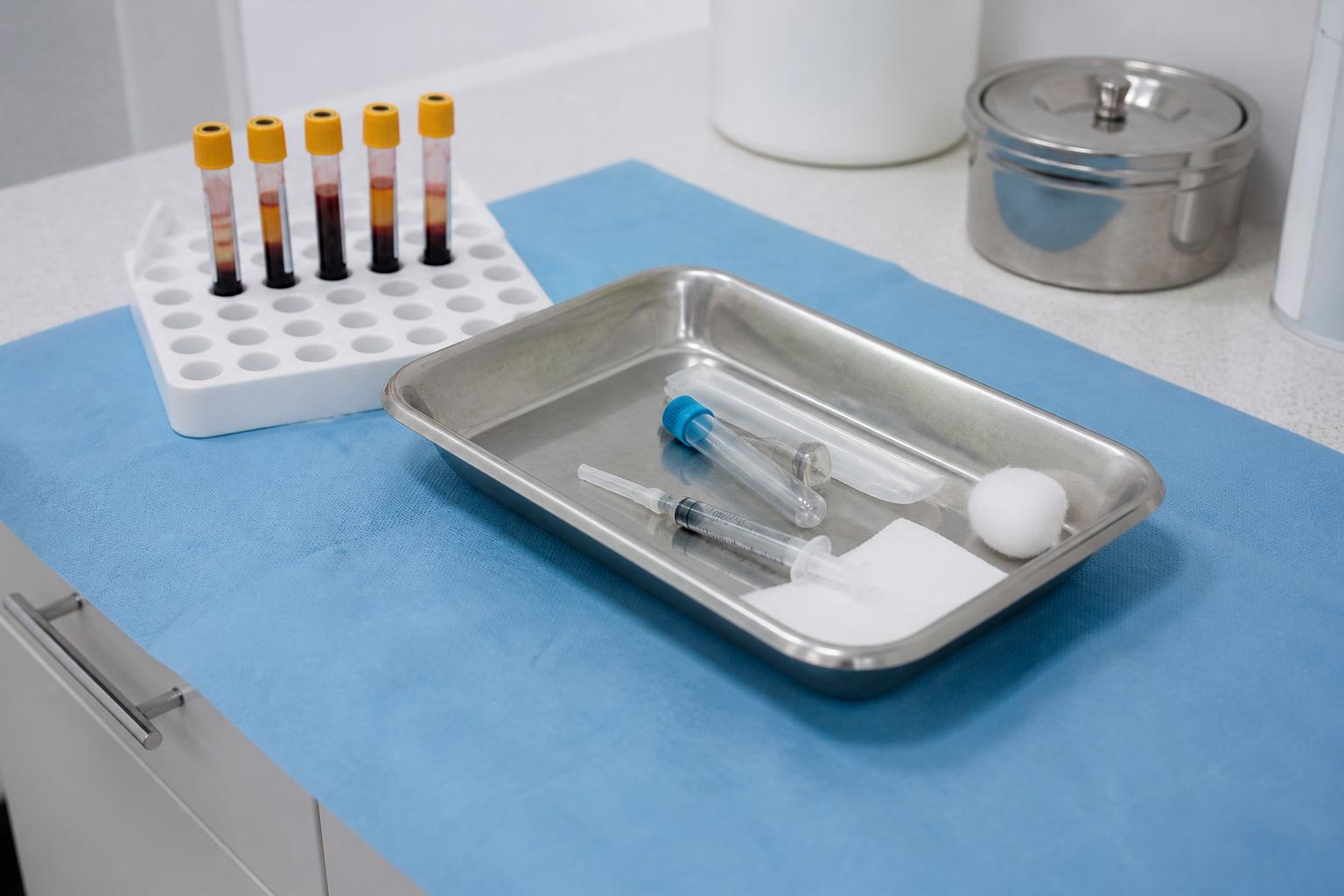
FemRenew offers PRP consultations, but PRP for vestibulitis or vulvodynia is not established as routine first-line care. Research is limited and results from a procedure cannot be predicted for an individual. If PRP is raised, ask why it is being considered after diagnosis, what evidence applies to your situation, what alternatives exist, what risks and costs apply, and how it would fit with standard care. It should not delay evaluation or treatment of a condition with established management.
Preparing for an appointment
Bring a list of symptoms, prior test results, treatments tried and questions. It can help to record triggers and symptom severity for several weeks, but do not postpone care in order to make a perfect diary. You may also bring a support person if that makes the conversation easier. The goal is a diagnosis-led plan, not pressure to choose a procedure.
Questions to ask
Ask what diagnosis best explains the pain, whether testing or referral is needed, which treatments have evidence for that diagnosis, when a follow-up is needed, and what changes require urgent care. Shared decision-making includes a clear discussion of uncertainty as well as potential benefits and risks.
Frequently asked questions
Is vestibulitis the same as dryness?
No. Dryness can contribute to discomfort, but localized vulvar pain has several possible causes and needs its own assessment.
Is PRP proven to treat vestibulitis?
No. It is an area of limited research and is not routine first-line care. Discuss evidence and alternatives with a qualified clinician.
Can I improve comfort while waiting?
Some people find fragrance-free products and avoiding known irritants helpful, but those steps do not replace diagnosis or treatment.
If persistent vulvar pain is affecting daily life, contact a qualified clinician to arrange an assessment and discuss appropriate next steps.
Understanding the diagnosis in context
Words such as vestibulitis and vulvodynia have changed over time, and a clinician may use a more specific diagnosis after an examination. Pain can arise from skin inflammation, hormonal tissue changes, an infection, muscle tension, nerve sensitivity, a prior injury, or several factors at once. A useful assessment does not assume that visible findings will always match the severity of pain. The American College of Obstetricians and Gynecologists explains that pain with sex has many causes and should be assessed rather than accepted as inevitable.
What a care plan may involve
After diagnosis, care may be phased. A clinician might start with reducing irritants, treating a confirmed infection or skin condition, and addressing muscle tension with pelvic-floor physiotherapy. Some patients benefit from pain-management approaches, sexual counselling, mental-health support, or referral to a specialist in vulvar disorders. These recommendations do not imply that pain is “all in your head”; chronic pain often affects mood, sleep and relationships, and support can be one part of comprehensive care.
Follow-up should be specific. Ask what change would indicate that a plan is helping, how long it is reasonable to wait, and what symptom should trigger reassessment. New bleeding, ulceration, fever, severe swelling, urinary retention or rapidly escalating pain should not wait for a routine follow-up.
Procedure risks and informed choice
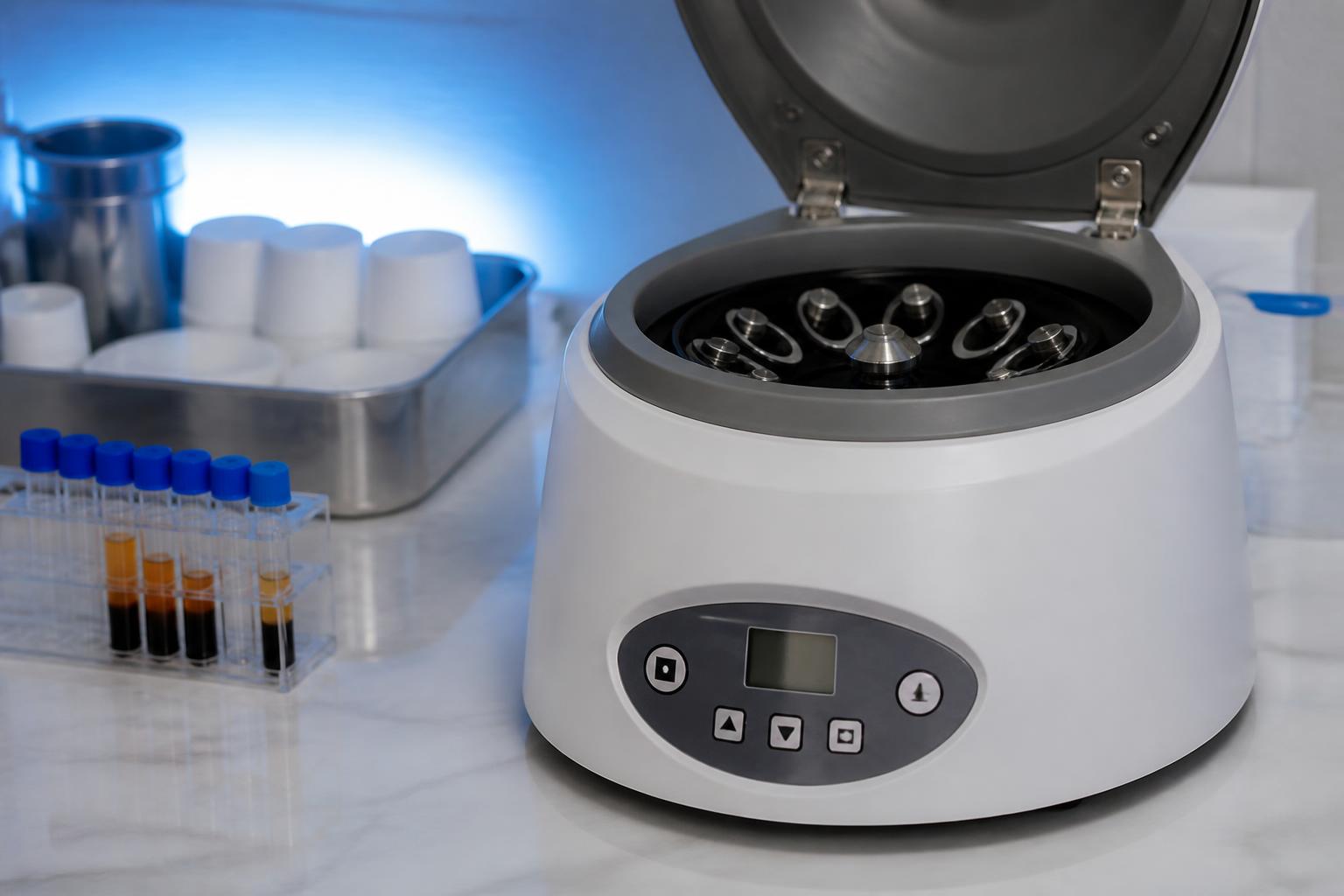
Any injection or tissue procedure can have risks such as pain, bleeding, infection, bruising or injury. The fact that PRP is made from a person’s own blood does not prove that it will be effective or eliminate those risks. A clinician should explain the evidence limits, procedural details, expected recovery, costs, alternatives and who will provide follow-up before consent. It is reasonable to decide against an uncertain intervention while pursuing established assessment and care.
Making the appointment more manageable
Tell the office in advance if examinations are difficult because of pain, trauma history or anxiety. You can ask what the visit will involve, request that each step be explained, pause or stop an examination, and bring support if permitted. Clear communication helps the visit remain patient-centred while allowing the clinician to gather the information needed for a safe plan.
Tracking symptoms without blaming yourself
A short record can make a complex symptom pattern clearer. Note the location of pain, whether touch triggers it, the relationship to periods, exercise, sitting, sexual activity, products, urination and bowel movements, and any previous infections or treatments. This is not a test patients must pass before receiving care. It simply gives the clinician a starting point and can help identify patterns worth investigating.
It may also help to write down the outcome you hope for: less pain with daily activities, more comfortable examinations, improved sleep, or a gradual return to intimacy. Defining a realistic outcome makes it easier to judge whether a treatment is helping and whether a different approach is needed.
Looking after relationships and wellbeing
Persistent pain can change how a person feels about intimacy and their body. It can be useful to talk with a partner about avoiding painful activity and choosing forms of closeness that feel safe while care is underway. A clinician can discuss referral for counselling or sexual-health support if pain has created anxiety, conflict or avoidance. Support does not replace medical assessment; it helps address the real impact a chronic symptom can have.
After an appointment
Before leaving, make sure you know the working diagnosis, the next step, how to use any recommended treatment, and when follow-up is planned. Contact the clinic sooner if symptoms change materially or a treatment causes a reaction. Seeking a second opinion is reasonable when pain persists or the proposed plan is unclear.
For non-urgent questions about the clinic’s assessment services, contact FemRenew. Confirm suitability, referral requirements, fees and coverage before booking. Urgent symptoms should be assessed through an appropriate urgent-care service.