When we think about pelvic health, posture isn’t usually the first thing that comes to mind. But posture, core strength, and pelvic health are deeply interconnected systems that influence each other every hour of every day. The pelvic floor doesn’t work in isolation — it functions as part of a pressure management system that includes your diaphragm, deep core muscles, and spine. Poor posture changes the pressure dynamics in your abdomen and pelvis, gradually weakening the pelvic floor over time. Understanding these connections is the first step toward building a care plan that actually addresses the root cause.
How Posture Affects the Pelvic Floor

The pelvic floor sits at the bottom of what physiotherapists call the “pressure canister” — a cylinder bounded by the diaphragm on top, the abdominal wall in front, the spinal muscles in back, and the pelvic floor at the base. When posture shifts, the pressure distribution within this canister changes, and the pelvic floor bears the consequences.
Slouched sitting compresses the abdomen and increases downward pressure on the pelvic floor. Over hours, days, and years, this chronic pressure contributes to muscle fatigue and gradual weakening. For women who work desk jobs, this postural pattern can quietly undermine pelvic floor strength long before symptoms appear.
Forward head posture creates a chain reaction through the entire body. Rounded shoulders lead to thoracic kyphosis, which flattens the lumbar curve, which tilts the pelvis and changes the resting tension of the pelvic floor muscles. Standing with an excessive anterior pelvic tilt — common after pregnancy — shortens the pelvic floor muscles, creating a state of chronic tension that feels like weakness but is actually a hypertonic condition requiring a different treatment approach entirely.
Core Strength and Pelvic Stability
The deep core is not your “six-pack” muscles. It consists of four muscle groups that work together as a coordinated unit: the diaphragm, transverse abdominis, multifidus, and pelvic floor. Weakness in any one of these four affects the function of the others. You cannot effectively strengthen the pelvic floor without also addressing the rest of the deep core system.
This is why traditional crunches and sit-ups can actually worsen pelvic floor symptoms. These exercises increase intra-abdominal pressure, pushing down on an already compromised pelvic floor. Proper core training for pelvic health looks very different from typical gym-based abdominal work — it emphasises coordination, breath control, and deep muscle activation rather than surface-level strength.
Diaphragmatic breathing is the foundation of this coordination. On inhale, the diaphragm descends and the pelvic floor naturally relaxes and lengthens. On exhale, both the diaphragm and pelvic floor contract together. This rhythmic coordination happens thousands of times per day and is the most fundamental pelvic floor exercise there is. After pregnancy or surgery, the deep core often needs targeted rehabilitation before returning to high-impact exercise — jumping straight to intense workouts can strain an already compromised pelvic floor and delay recovery.
The Role of Chiropractic in Pelvic Health
Spinal alignment directly affects the nerve supply to the pelvic floor. The sacral nerves (S2-S4) control pelvic floor muscle function, and lumbar misalignment can compromise these nerve signals, leading to weakness or dysfunction that doesn’t respond to exercises alone. Sacroiliac joint dysfunction — particularly common after pregnancy — creates asymmetric pelvic floor tension that no amount of Kegels will correct until the structural issue is addressed.
Chiropractic care can complement pelvic floor treatment — practices like Grace Medical & Chiropractic use spinal decompression to address related musculoskeletal issues. Spinal decompression therapy targets disc-related nerve compression that may be contributing to pelvic floor weakness or pain, addressing the structural component while pelvic floor treatment handles the muscular rehabilitation.
Combining chiropractic care with pelvic floor treatment creates a comprehensive approach — addressing both the structural alignment from the top down and the muscle rehabilitation from the bottom up. This coordinated care model produces better outcomes than either treatment in isolation.
Non-Surgical Pelvic Floor Treatments
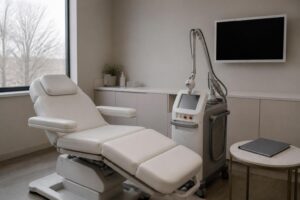
Non-invasive pelvic floor restoration uses energy-based technology to stimulate and strengthen pelvic floor muscles directly. There is no surgery, no downtime, and many patients see measurable results in as few as a handful of sessions. These treatments deliver thousands of muscle contractions per session — far more than voluntary exercises can achieve — ensuring consistent, targeted activation of the correct muscles.
This approach is particularly effective for stress urinary incontinence, mild prolapse symptoms, and post-menopausal pelvic floor weakening. Unlike Kegel exercises — which studies show most women perform incorrectly, often engaging the wrong muscles entirely — device-based treatments ensure the right muscles are activated at the right intensity every time.
Treatment plans are customised based on symptom severity and individual anatomy. Mild cases may need fewer sessions, while chronic conditions benefit from a longer protocol. The key advantage over exercise-only approaches is consistency: the treatment delivers the same precise muscle activation regardless of whether the patient has mastered the technique on their own.
Building a Comprehensive Care Plan
Effective pelvic health treatment starts with a proper assessment. Before choosing a treatment approach, it’s essential to determine whether symptoms are driven by weakness (hypotonic pelvic floor), tension (hypertonic pelvic floor), or a combination of both. The wrong approach — strengthening a pelvic floor that’s already too tight, for example — can make symptoms worse.
Address posture first. A postural assessment identifies habitual patterns that may be loading your pelvic floor unfavourably throughout the day. Simple corrections to sitting posture, standing habits, and movement patterns can reduce symptoms before any hands-on treatment begins. These changes cost nothing and compound over time.
Layer treatments strategically: structural alignment through chiropractic care, muscle rehabilitation through pelvic floor therapy or non-surgical treatment, and movement re-education through core training. These three pillars work best together, each reinforcing the others. Track progress with objective measures — symptom diaries, functional tests, and follow-up assessments help determine what’s working and when to adjust the plan.
Frequently Asked Questions
Can improving my posture actually help with pelvic floor symptoms?
Yes. Posture directly affects how pressure is distributed across the pelvic floor throughout the day. Correcting slouched sitting and restoring the natural lumbar curve reduces chronic downward pressure on pelvic floor muscles, which can reduce symptoms of incontinence and pelvic heaviness even without other interventions.
Are Kegel exercises enough to fix pelvic floor dysfunction?
Not always. Kegels only address one component — muscle strength — and studies show that up to 50% of women perform them incorrectly. If your pelvic floor dysfunction is related to postural issues, nerve compression, or hypertonic muscles, Kegels alone won’t resolve the problem and may worsen symptoms. A comprehensive assessment determines the right approach.
How soon after childbirth should I start pelvic floor rehabilitation?
Most practitioners recommend beginning gentle pelvic floor awareness exercises (not intense strengthening) within the first 6 weeks postpartum, after clearance from your healthcare provider. A formal assessment at 6-8 weeks postpartum can identify specific issues and guide a targeted rehabilitation plan. Early intervention prevents compensatory patterns from becoming chronic.
If you’re experiencing pelvic floor symptoms related to posture, core weakness, or postpartum changes, FemRenew offers non-surgical pelvic floor restoration tailored to your needs. Call (416) 924-4666 to book a consultation with Dr. Fay Weisberg.