Most conversations about pelvic floor health start after a problem has already shown up: a leak while sneezing, a feeling of pressure, or discomfort that will not go away. Far fewer conversations happen earlier, when strengthening and prevention could make the biggest difference. This guide focuses on that earlier stage — what pelvic floor strengthening actually involves, and when at-home prevention is enough versus when it may be time to consider additional non-surgical support.
This is intentionally a different angle than symptom-focused content. If you are already experiencing frequent bladder symptoms or bothersome incontinence, our other guides address those topics directly. Here, the focus is on building and maintaining pelvic floor strength before symptoms become disruptive.
What the Pelvic Floor Actually Does

The pelvic floor is a group of muscles that support the bladder, uterus, and bowel. These muscles can weaken gradually over time due to childbirth, aging, hormonal changes around menopause, chronic coughing, or simply years of daily strain from activities like heavy lifting. Because the changes are gradual, many women do not notice reduced pelvic floor strength until a specific moment, such as coughing, laughing, or exercising, makes it obvious.
Pelvic Floor Strengthening: What It Involves
Pelvic floor strengthening most commonly refers to Kegel exercises, which involve repeatedly contracting and relaxing the muscles used to stop the flow of urine. According to MedlinePlus, a service of the U.S. National Library of Medicine, consistent Kegel exercises can help improve bladder control and support pelvic organ health when performed correctly and regularly over time.
The key word is consistency. Many women try Kegel exercises briefly, do not notice an immediate difference, and stop. Like any muscle-strengthening routine, pelvic floor exercises typically require weeks of regular practice before changes become noticeable, and correct technique matters more than intensity.
How to Approach a Basic Pelvic Floor Exercise
A simple starting point is to identify the correct muscles by attempting to stop the flow of urine midstream. This is only to help identify the muscles — it should not become a regular exercise habit, since repeatedly stopping urine flow can interfere with normal bladder function over time. Once the muscles are identified, the exercise itself involves contracting them, holding briefly, and then fully relaxing before repeating.
A common approach is to build up gradually: shorter holds performed several times a day, increasing hold duration slowly as the muscles strengthen, and always finishing with a full, deliberate relaxation. Rushing through repetitions without full relaxation between them tends to reduce how effective the exercise is.
How Pelvic Floor Strength Connects to Overall Core Stability
The pelvic floor does not work in isolation. It functions as part of a broader system that includes the deep abdominal muscles and the muscles along the spine, sometimes referred to collectively as the core. Weakness in one part of this system often shows up as compensation elsewhere, which is part of why some women notice pelvic floor symptoms alongside lower back discomfort or a general sense of reduced core stability during exercise.
This connection is one reason general fitness routines that include core-strengthening work can complement, rather than replace, dedicated pelvic floor exercises. Neither one substitutes fully for the other.
Signs Your Pelvic Floor May Need More Attention
Some signals suggest it may be worth focusing more deliberately on pelvic floor health: noticing pressure or heaviness in the pelvic area after standing for long periods, feeling less stable during core-focused exercise, or simply knowing that childbirth, menopause, or chronic coughing apply to your history. None of these signs are emergencies, but they are reasonable prompts to start paying more attention before symptoms progress further.
Common Myths About Pelvic Floor Exercises

A few misconceptions keep women from starting or sticking with pelvic floor exercises. The first is that they are only useful after childbirth. In reality, aging, menopause, chronic coughing, and even years of high-impact exercise can all weaken pelvic floor muscles regardless of whether someone has given birth.
The second myth is that results are immediate. Like any strength-training program, pelvic floor exercises typically require weeks of consistent practice before changes become noticeable, and expecting overnight results often leads women to give up too soon.
The third myth is that more effort automatically means better results. Overdoing pelvic floor contractions, or performing them with poor technique, can sometimes cause muscles to become overly tense rather than appropriately strong. Correct, moderate, consistent practice tends to outperform sporadic, intense effort.
Lifestyle Factors That Support Pelvic Floor Health
Beyond targeted exercises, a few everyday habits support pelvic floor strength over the long term. Maintaining a healthy body weight reduces ongoing pressure on pelvic floor muscles. Managing chronic coughing, whether from allergies, smoking, or another cause, reduces repetitive strain. Avoiding straining during bowel movements, staying hydrated, and pacing heavy lifting with proper form all play a supporting role as well.
None of these habits replace medical evaluation when symptoms are already present, but together they form a reasonable foundation for women who want to be proactive about pelvic floor health before problems develop.
Posture also plays a role that is easy to overlook. Slouched sitting for long periods can place uneven pressure on pelvic floor muscles over time, while a more neutral, supported posture distributes that pressure more evenly during everyday activities like sitting at a desk.
Building Pelvic Floor Awareness Into Your Routine
Consistency is easier to maintain when pelvic floor exercises are attached to an existing habit rather than treated as a separate task to remember. Some women pair a short set of repetitions with brushing their teeth, waiting for coffee to brew, or a daily commute. The specific trigger matters less than the repetition itself becoming automatic rather than something that requires remembering to schedule.
Tracking progress loosely, such as noting whether certain everyday triggers like coughing or sneezing feel different after several weeks of consistent practice, can also help maintain motivation during the early weeks when changes are not yet obvious.
When Prevention Alone May Not Be Enough
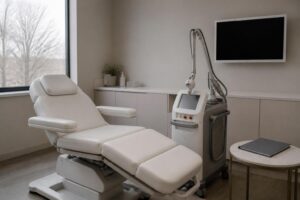
Sometimes lifestyle habits and at-home exercises are not sufficient, particularly when pelvic floor weakening has progressed further or is tied to underlying tissue changes from menopause. FemRenew is a non-surgical, non-hormonal clinic for vaginal and pelvic floor conditions, and our team can evaluate whether targeted, in-office options make sense alongside your existing prevention routine. Our mild incontinence page covers what that evaluation looks like for lighter bladder leaks specifically. This is a conversation worth having before symptoms become disruptive, not only after.
Frequently Asked Questions About Pelvic Floor Strengthening
How long does it take to notice results from pelvic floor exercises?
Most women need several weeks of consistent practice before noticing meaningful improvement, similar to any other muscle-strengthening routine.
Can pelvic floor strengthening prevent future problems?
Regular, correctly performed pelvic floor exercises can help maintain muscle tone and may reduce the likelihood of certain issues developing or worsening over time, though individual results vary.
Is pelvic floor strengthening only useful after childbirth?
No. While childbirth is a common trigger for pelvic floor weakening, aging, menopause, and everyday strain can all affect pelvic floor strength regardless of childbirth history.
What if exercises alone are not helping?
If at-home strengthening has not made a noticeable difference after a reasonable trial period, it may be worth having a specialist evaluate whether additional non-surgical support could help.
Are pelvic floor exercises safe for everyone to try?
Most women can safely begin gentle pelvic floor exercises, but if you already have pelvic pain, pressure, or other symptoms, it is worth discussing an exercise routine with a provider first rather than starting on your own.
Talk to FemRenew About Your Pelvic Floor Health
Whether you are being proactive or feel that at-home efforts have not been enough, our team is happy to talk through your options. Contact FemRenew to request your OHIP-covered consultation, and we will follow up within 24 to 48 hours to help schedule a visit.