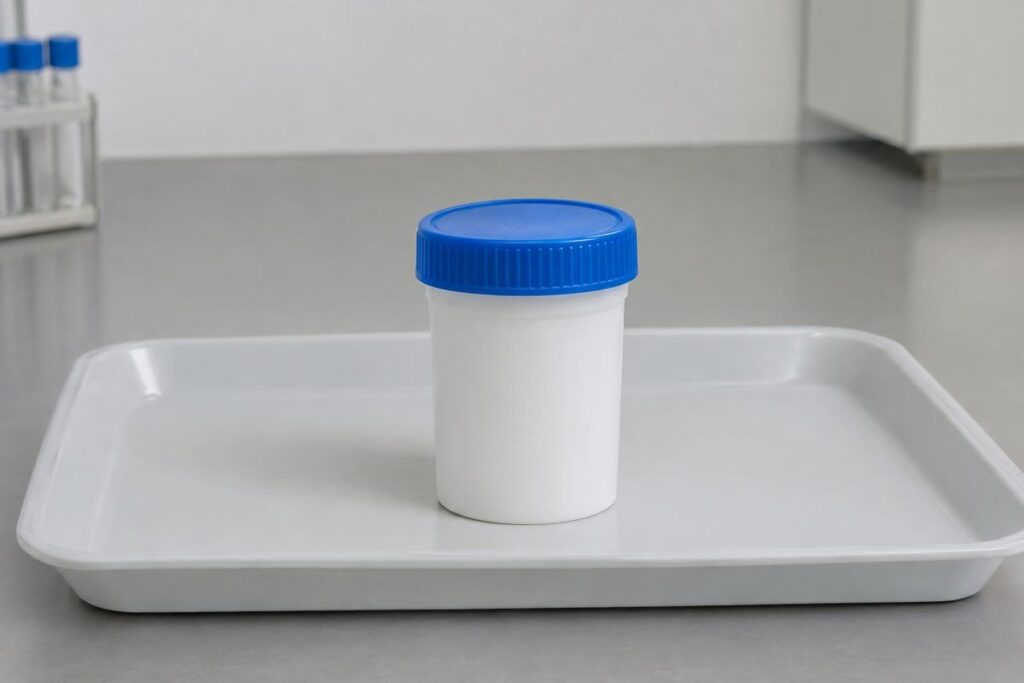
You may be asked to provide a urine sample and still be unsure which test was ordered. A urine culture test is not the same thing as a quick dipstick check or a broader urinalysis. Each provides different information, and a result needs to be considered alongside your symptoms and medical history. This article explains those differences and the practical questions to ask about collection, results and follow-up. It is not a guide to diagnosing an infection yourself or choosing an antibiotic from a laboratory report.
What a urine culture test looks for
A culture looks for bacteria that can grow from a urine sample. It can help a clinician assess whether bacteria may explain symptoms and may provide information relevant to treatment. By contrast, urinalysis examines features of the urine, such as blood or white blood cells. A dipstick is one way of checking certain urine markers quickly; it does not provide all the information a culture can offer.
The National Institute of Diabetes and Digestive and Kidney Diseases explains the diagnostic tests used alongside a medical history and physical examination. The useful distinction for a patient is the question each test addresses. “Was a culture ordered?” is more specific than assuming every urine sample is sent for the same analysis.
A clinician may recommend different testing depending on the episode and your circumstances. Repeated symptoms can make it particularly helpful to review which previous episodes were supported by laboratory results. That does not mean you should demand the same test every time or wait for a result before seeking advice about worsening symptoms. Ask the clinician what information is needed now.
Ask exactly what was ordered and who receives it
When you are given a collection container or laboratory requisition, ask whether the order is for urinalysis, culture or both. If the test is being arranged through another practice, confirm the ordering clinician’s name and how the result returns to them. This can be especially useful when you have visited more than one service for similar symptoms.
You can also ask how the result will be communicated. Will someone call, is a follow-up appointment planned, or should you contact the practice? Find out when to check if you have heard nothing. A result appearing in a patient portal is not always the same as a clinician having discussed what it means for your care.
Keep a simple record of the collection date, the laboratory and the practice responsible for follow-up. If you later seek care elsewhere, those details make it easier to explain what has already been done. There is no need to send sensitive laboratory information through an unsecured message unless the receiving practice has specifically instructed you how to share it.
Collection instructions are part of the test
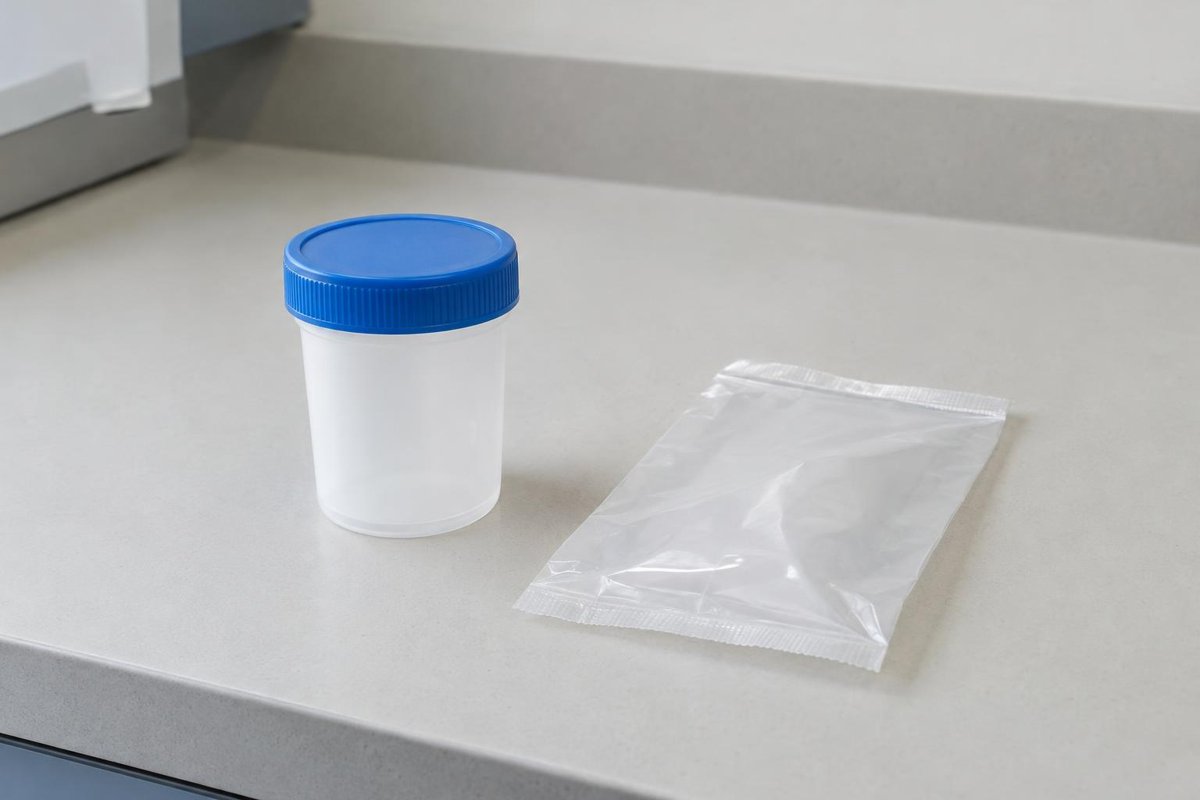
Follow the instructions supplied by the clinician or laboratory for your particular sample. Ask for clarification before collecting it if you are unsure about the container, collection method, timing or transport. A sample collected in an improvised household jar is not interchangeable with one collected using the laboratory’s equipment. Use the container you have been given and avoid touching its inside.
If the instructions mention a midstream or clean-catch sample and you are unfamiliar with those terms, ask the laboratory to explain the sequence. Also ask how quickly the sample needs to reach the laboratory and what to do if transport will be delayed. Rather than guessing about refrigeration or storage, follow the laboratory’s current directions for the container and test.
Tell the clinician about recent or current antibiotics and any difficulty obtaining the sample as instructed. Do not stop a medicine or postpone treatment on your own to try to obtain a “better” result. If treatment has already started, ask what should happen next. The clinician can decide whether and when testing is useful in your situation.
Why the result needs context
A laboratory report is not a stand-alone diagnosis. The clinician considers the result with symptoms, timing, examination findings where relevant, and other medical information. A report that mentions bacteria does not by itself tell you which treatment you personally need. Likewise, a result that does not support infection should lead to discussion when symptoms persist, rather than an assumption that the symptoms are unimportant.
Sometimes a sample needs to be repeated or a different explanation considered. Ask what the wording on your report means and why the clinician recommends the next step. If the report includes terms such as “mixed growth” or describes the sample as contaminated, ask whether another collection is needed. Do not try to translate an isolated phrase into a treatment plan using an online chart.
The CDC’s patient information on urinary tract infections explains that clinicians determine whether a UTI is present and what antibiotic is needed. It also notes that recurrent infections may lead to additional tests, including culture. Antibiotics should not be borrowed, shared or selected from a previous episode without medical advice.
Bring old results to a recurring-symptom discussion
If symptoms keep returning, a short timeline can be more informative than saying that you have “constant infections.” Note approximately when each episode occurred, whether a culture was done, what the clinician told you and whether symptoms changed after treatment. Distinguish confirmed results from episodes you suspected were infections. It is fine if some details are missing.
Include symptoms that do not fit your usual pattern, such as external irritation or discomfort between episodes. FemRenew has information about bladder-related concerns and vaginal dryness, but an article or service page cannot identify which condition explains an individual symptom. The aim of discussing the pattern is to choose appropriate assessment, not to assign yourself another diagnosis.
You can ask whether the next episode should be handled through your family doctor, an urgent-care service or an existing specialist, and which team should review the accumulated results. Clear responsibility is particularly helpful if different practices ordered different tests. Ask how records should be transferred so that another clinician does not have to work from your memory alone.

Do not wait on a routine result if you become unwell
Fever, chills, pain in the back or side, nausea or vomiting can accompany a kidney infection. Seek prompt medical assessment if these occur with urinary symptoms. Severe illness, confusion, fainting or rapidly worsening symptoms require urgent help. A specimen already being processed is not a reason to wait silently at home or rely on a routine clinic callback.
When asking for help, tell the service that you have provided a urine sample, when it was collected, and whether any treatment has started. You do not need the final laboratory result in hand before reporting a change. The immediate decision is about your current condition; the team can arrange access to available results as needed.
Frequently asked questions
Does a negative dipstick rule out every urinary problem?
No single quick test explains every possible cause of urinary symptoms. Ask the clinician how the result fits your symptoms and whether further assessment is needed.
Should I order repeated cultures on my own?
Discuss testing with a health-care professional. The reason for the test, collection method and plan for interpreting it are all part of useful care.
Does FemRenew perform urine cultures?
Contact FemRenew to ask about assessment and referral arrangements, including where any requested specimen should be collected and submitted.
For a planned conversation about ongoing pelvic or vaginal health concerns, contact FemRenew in Toronto at (416) 924-4666. Bring any test reports you already have and a short account of the symptoms. Seek prompt care through an appropriate medical service for a possible acute infection or worsening illness rather than waiting for a routine consultation.