Thin endometrium and recurrent implantation failure are terms used in fertility care, but neither has one simple explanation or one universal treatment. Endometrial thickness is only one part of an embryo-transfer assessment, and repeated unsuccessful transfers require a careful review with a fertility specialist. This article explains questions to bring to that review; it does not promise a procedure or outcome.
Fertility treatment should remain coordinated through the treating fertility team. Decisions about tests, medication and embryo transfer timing depend on medical history, embryo factors, uterine assessment and prior treatment details.
Understanding the terms
The endometrium is the lining of the uterus. A measurement that appears thin on ultrasound may lead a fertility specialist to review timing, medication response, uterine findings and prior cycle information. Recurrent implantation failure is also a complex term with varying definitions. It should prompt a case-specific discussion rather than an assumption that one intervention is the answer.
What evidence-based evaluation can include
A fertility clinician may review prior transfer records, embryo information, ultrasound findings, uterine cavity assessment, medication protocols and relevant medical conditions. The appropriate work-up is individualized. Ask what has already been assessed, what remains uncertain, and which next steps are supported for your specific circumstances.
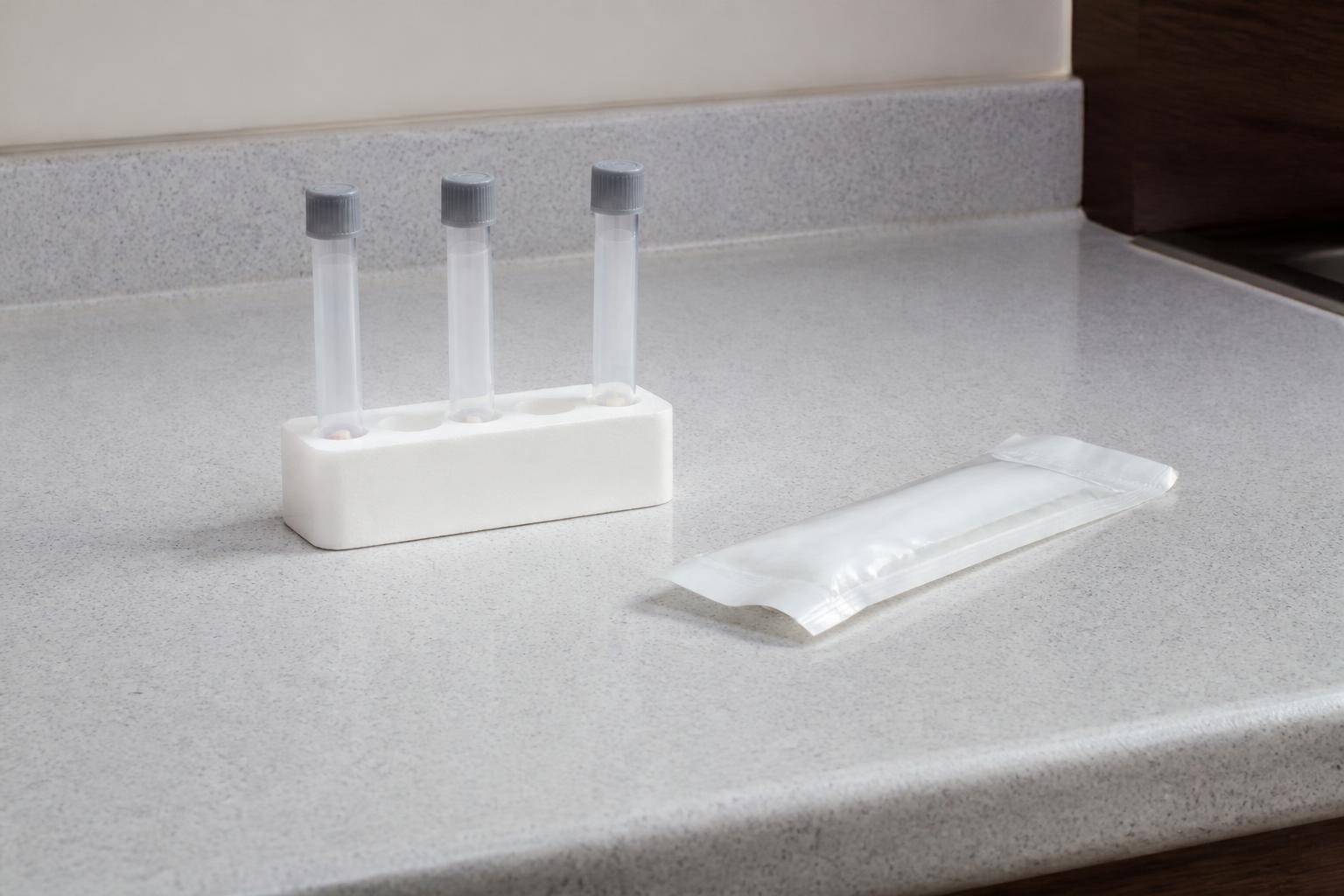
PRP has important uncertainty
PRP is sometimes discussed in fertility settings, but evidence remains insufficient for routine use for recurrent implantation failure or thin endometrium. The ESHRE good-practice recommendations on recurrent implantation failure advise against routine intrauterine PRP because benefit and safety remain uncertain. PRP should not replace established fertility evaluation or the plan developed with the fertility team.
Questions if PRP is mentioned
FemRenew offers PRP consultations. If PRP is discussed, ask what evidence applies to your diagnosis, whether it is being proposed in a research or adjunctive context, what known and unknown risks exist, what alternatives are available, how it could affect timing, and how the fertility clinic will coordinate care. A responsible discussion makes uncertainty clear and does not promise a thicker lining, implantation or pregnancy.
Supportive next steps
Bring records from previous cycles, medication lists, ultrasound reports and a list of questions to the fertility appointment. Emotional support is also important; fertility care can be demanding, and counselling or peer support may be useful alongside medical care. Keep every clinician involved aware of any treatment you are considering.
Frequently asked questions
Does a thin lining always prevent pregnancy?
No. It is one factor among many, and interpretation belongs with the fertility team.
Is PRP recommended routinely for recurrent implantation failure?
No. The cited ESHRE recommendations do not recommend routine use because evidence and safety are uncertain.
Can PRP replace IVF care?
No. It should not replace evidence-based fertility evaluation or coordinated treatment.
Discuss fertility concerns with your treating fertility specialist before making changes to a treatment plan.
How recurrent implantation failure is evaluated
Recurrent implantation failure is not one diagnosis, and definitions vary with the number and type of embryo transfers, embryo information, age and clinical circumstances. Repeated unsuccessful transfers do not automatically show that the uterine lining is the cause, and they do not establish that a procedure will improve a future outcome. Fertility specialists review embryo factors, transfer details, uterine anatomy, endometrial measurements, medical history and outcomes from previous cycles together.
Thin endometrium and implantation failure are different questions
A thin endometrium is a measurement or pattern observed during cycle monitoring. Recurrent implantation failure describes repeated unsuccessful implantation. A person may have one without the other. A measurement alone cannot identify why a cycle was unsuccessful, and a change in thickness does not guarantee implantation, pregnancy or live birth. The work-up may include reviewing the timing and method of measurement, medication response, uterine-cavity assessment when indicated, and potential findings such as polyps, fibroids, adhesions or adenomyosis.
What the cited ESHRE recommendations say about PRP
The cited 2023 European Society of Human Reproduction and Embryology (ESHRE) good-practice recommendations on recurrent implantation failure advise against routine intrauterine PRP because effectiveness and safety remain uncertain. PRP has been studied, but the best preparation, timing and number of treatments are not established. Reliable benefits for lining thickness, implantation, pregnancy or live birth have not been established.
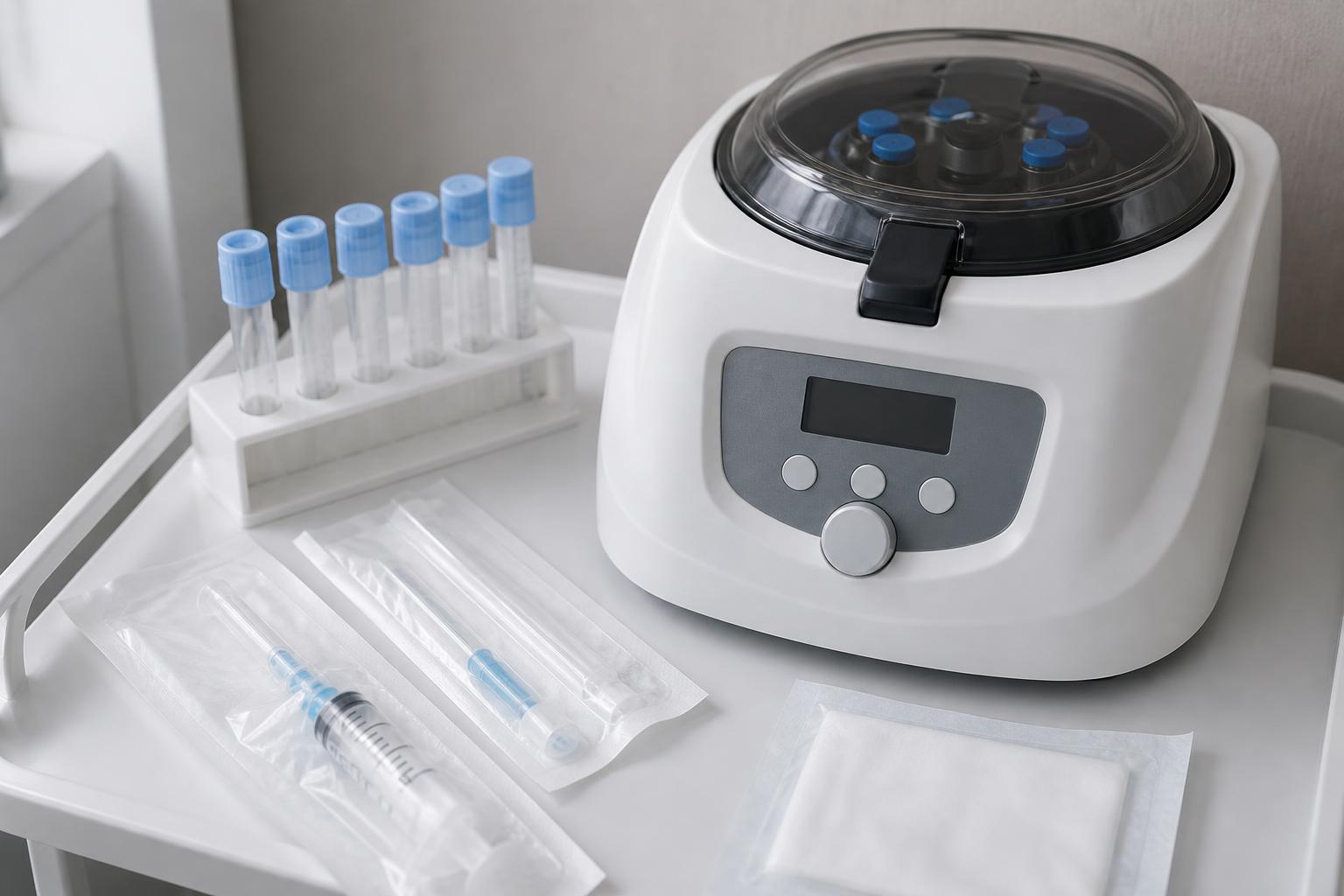
Coordinate every decision with the fertility clinic
If PRP is being considered, tell the fertility specialist before scheduling it. Ask what specific problem it is intended to address, whether it is investigational or non-standard, what established evaluations or treatments should come first, how it could affect cycle timing, and who will manage complications or follow-up. FemRenew consultation must complement rather than replace the treating fertility team’s plan.
Risks, limits and urgent concerns
Procedures can involve pain, bleeding, infection, tissue injury, cost and the possibility of delaying a more appropriate evaluation. Autologous blood does not make an intervention risk-free or effective. Contact the fertility team promptly for heavy bleeding, fever, worsening pelvic pain, foul-smelling discharge, fainting, shortness of breath or concerning symptoms after a procedure. A careful, coordinated diagnosis helps support decisions that reflect both the evidence and personal fertility goals.
Making sense of prior cycle records
Fertility records can feel overwhelming. Ask the fertility team to explain what each previous cycle showed: the medication protocol, ultrasound timing, endometrial measurements, embryo stage and testing when available, transfer details, and any uterine findings. This review may clarify which questions remain open and which tests or add-ons are unlikely to change management. A careful review can be more valuable than adding an intervention because it is available.
Discussing tests and add-ons critically
Fertility care includes many tests and add-on procedures with different levels of evidence. Ask whether a proposed test or treatment is recommended by a guideline for your situation, what outcome it is expected to change, how likely that change is, and what the downsides are. It is appropriate to ask if watchful review, a change to an established protocol, or treatment of a confirmed uterine finding should take priority over an experimental option.
Emotional and practical support
Repeated unsuccessful treatment can be exhausting. Counselling, support groups and practical help with appointments can coexist with medical care and do not imply that fertility challenges are psychological. Consider asking the clinic about support resources, how to contact the team between visits, and how decisions will be revisited if a proposed approach does not work.
Planning the next conversation
Bring a written list of questions and ask for time to consider non-urgent choices. A clear plan should state who coordinates care, what will be monitored, what result would lead to a change in approach, and when to seek urgent advice. Coordinated care protects against duplicated procedures and keeps the fertility specialist informed about every intervention.
Consent and timing matter
Before any non-standard procedure, ask for enough time to review written information and discuss it with the fertility team. A well-documented plan identifies the purpose of the intervention, alternatives, expected costs, possible complications and the reason it is being considered now. If those questions cannot be answered clearly, it is reasonable to pause. Fertility care is time-sensitive, but informed consent and coordination remain essential.
Ask the clinic to summarize the decision in writing, including the intended purpose, the uncertainty, the alternatives and the planned follow-up. This supports continuity when more than one clinician is involved.
Bring your questions in writing and request clarification whenever a recommendation is unclear.
For non-urgent questions about the clinic’s assessment services, contact FemRenew. Confirm suitability, referral requirements, fees and coverage before booking. Urgent symptoms should be assessed through an appropriate urgent-care service.