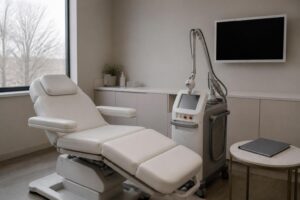
Pelvic floor health is a cornerstone of women’s well-being, influencing everything from continence to sexual wellness. As women become more proactive about their intimate health, non-surgical pelvic floor treatments have gained popularity for their safety, effectiveness, and minimal downtime.
However, with a growing range of options available, many women are left wondering how to choose the right non-surgical pelvic floor treatment for their specific needs. Understanding key factors and seeking guidance from trusted professionals can make the decision process straightforward and empowering.
Understanding Non-Surgical Pelvic Floor Treatments

Non-surgical pelvic floor treatments are designed to strengthen, tone, or restore function in the pelvic muscles without the need for invasive procedures. These therapies can address concerns such as mild incontinence, pelvic organ support, and even some types of sexual discomfort.
Options range from advanced technologies like radiofrequency and laser therapy to targeted physiotherapy and regenerative methods such as Platelet-Rich Plasma (PRP) injections. Each option comes with its own set of benefits, indications, and treatment protocols. The key is finding a method that aligns with your unique health goals, lifestyle, and comfort level.
For many, the appeal lies in minimal recovery time and the avoidance of surgical risks. This makes non-surgical approaches ideal for those looking to improve quality of life without disrupting their daily routine.
How to Choose the Right Non-Surgical Pelvic Floor Treatment

Choosing the right treatment starts with a comprehensive assessment by a women’s health specialist. A professional evaluation will take into consideration your medical history, symptoms, and the severity of your pelvic floor issue. This process ensures that any underlying conditions—such as hormonal changes or neurological factors—are addressed before selecting the most appropriate therapy.
It’s also important to set realistic expectations. Not every treatment is suitable for every individual, and some conditions may require a combination of therapies for optimal results. Consulting with a clinic like FemRenew, which offers a range of evidence-based options, can help tailor a plan to your needs. You can learn more about their approach and services on their About page.
For more detailed information on pelvic floor dysfunction and treatment options, the Mayo Clinic offers a comprehensive overview.
Comparing Top Non-Surgical Treatments Available in Toronto
Toronto women have access to leading-edge non-surgical pelvic floor treatments, including pelvic floor physiotherapy, radiofrequency therapy, PRP injections, and laser modalities. Each therapy offers unique advantages depending on the condition being addressed.
Pelvic floor physiotherapy focuses on guided muscle exercises and biofeedback. It is especially effective for mild incontinence and muscle weakness. Radiofrequency and laser therapies use energy to stimulate collagen production, resulting in improved tissue support and bladder control. PRP therapy harnesses your body’s own healing abilities to regenerate and rejuvenate pelvic tissues.
The best choice depends on your individual symptoms, lifestyle, and treatment goals. Clinics like FemRenew, located at 4025 Yonge Street, Suite 215, are experienced in assessing and recommending the right combination of therapies. Explore more about these options on their Pelvic Floor Treatments page.
What to Expect During Your Treatment Journey
Once you and your healthcare provider have selected a treatment, you’ll receive a tailored plan outlining the number of sessions, expected outcomes, and at-home care recommendations. Most non-surgical pelvic floor therapies are performed in-clinic and require little to no downtime, allowing you to resume normal activities quickly.
Follow-up visits and periodic reassessments are important to track your progress and make any necessary adjustments. Your comfort and confidence should always be prioritized, so don’t hesitate to communicate any concerns during your care journey.
For additional resources on pelvic floor rehabilitation and its benefits, refer to the Cleveland Clinic’s guide.
Frequently Asked Questions
What symptoms indicate I may need pelvic floor treatment?
Symptoms such as urinary leakage, frequent urges to urinate, pelvic heaviness, or discomfort during intercourse may signal pelvic floor dysfunction. Early evaluation is important to determine the most effective therapy.
Are non-surgical treatments safe and effective?
Yes, most non-surgical pelvic floor therapies are supported by clinical evidence and are considered safe when administered by qualified professionals. Results vary depending on the chosen method and individual health factors.
How soon can I expect results from non-surgical therapy?
Many women notice improvement within a few sessions, but optimal outcomes may require a series of treatments over several weeks. Your provider will set realistic expectations based on your unique situation.
If you’re ready to take the next step in improving your pelvic health, contact FemRenew at (416) 924-4666 or visit our contact page to schedule your consultation. Our caring team is here to guide you to the right treatment for your needs.